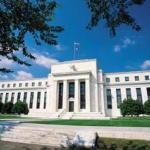
 Federal Reserve Chair Janet Yellen says the 0.4 percent May CPI increase is noise. Perhaps she is right and it is noise. But just what type of noise is it?
Is it the type of noise to ignore…like a street vagrant’s mutterings of gibberish? Or is it the type of noise, like a fire alarm, telling us to get out because our home is about to go up in smoke? The difference is stark.
Though Yellen didn’t elaborate, we assume she means the CPI noise is something to ignore. That price inflation isn’t a real concern. Here at the Economic Prism we think otherwise.
Regardless of whether it shows up in the CPI, the price of just about everything that’s needed to live is going up. In fact, according to MarketWatch, the price of health-care, gas, housing, pork, beef, chicken, orange juice, milk, and coffee, are all going up. Who cares if you can get a really good laptop for $500 when pork prices have risen over 50 percent in the past year and beef prices are up 74 percent since 2009? Continue reading