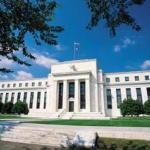
 Quantitative easing is set to expire this month. That’s the plan at least. The $10 billion monthly tapers will finally bring the Fed’s QE3 bond buying program down from $85 billion per month to zero.
That’s not to say the Fed will no longer be operating with extreme monetary policies of market intervention. Remember, the federal funds rate is still at practically zero. This is something that had never happened until the fall of 2008.
Now, six year later, the federal funds rate is still pressed firmly down to the ground. According to Federal Reserve utterances, they won’t begin raising the federal funds rate for another six months. Of course, that could always change depending on what way the wind blows.
The Fed has shown that they are making things up as they go. They are just winging it. Should they raise interest rates? Should they stop expanding the money supply? Continue reading